The life of Axel Ebbe
During the early 20th century, Axel Ebbe was regarded as one of Sweden’s most renowned contemporary sculptors, with nearly every major city in Skåne home to one of his public works.
‘Arbetets Ära’ at Möllevång Square in Malmö and ‘Mannen som bryter sig ur Klippan’ at University Square in Lund are beloved examples – works that have become gathering places and are deeply associated with their respective cities.


About Axel Ebbe
Axel Ebbe was born in 1868 in Hököpinge on the Söderslätt plain and set his sights on becoming an artist early in life. In the 1890s, he studied in Copenhagen under the Norwegian-Danish sculptor Stephan Sinding. It was there he met his first wife, Menga Schejderup, a fellow sculptor and student of Sinding.
Shortly after marrying, the couple moved to Paris and established a shared studio. Working side by side, they exhibited together at the prestigious Salon on the Champs-Élysées. There, Axel Ebbe gained recognition for “Solrosen”– a powerful female figure reaching her arms skyward, turning toward the light like a sunflower. The piece was awarded an honorary medal – mention honorée – at the Salon.
Although he made occasional visits to Sweden and Norway, Ebbe spent most of the years between 1890 and 1910 on the European continent. Berlin, Nice, Monte Carlo, Paris, and London became his intermittent homes during a time when art and culture flourished vibrantly.
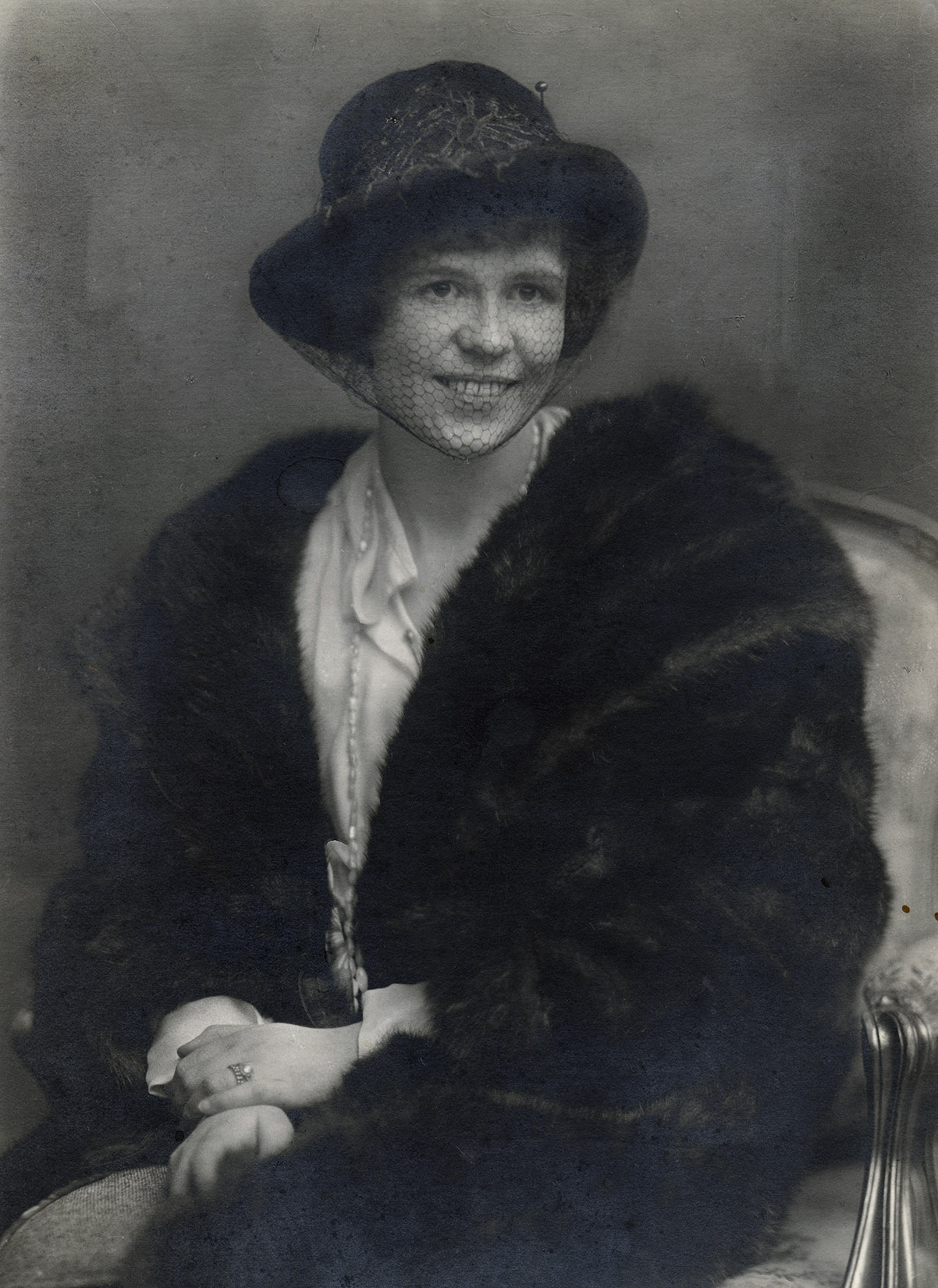
During this period, Ebbe divorced and remarried the Norwegian widow Elna Looft. Together, they led a nomadic life until 1910, when they separated and Ebbe returned permanently to his hometown of Hököpinge, where he remained for the rest of his life.

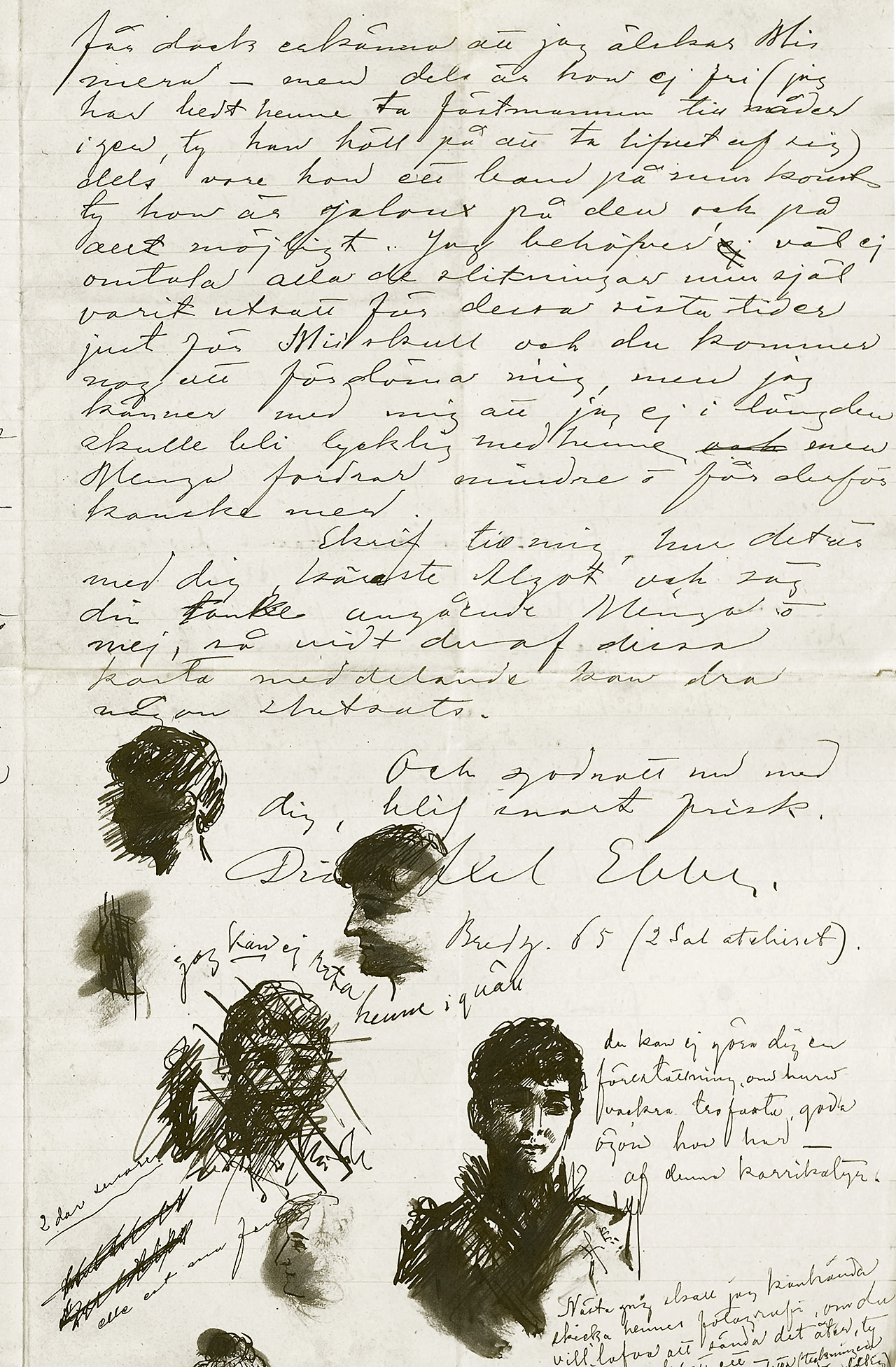
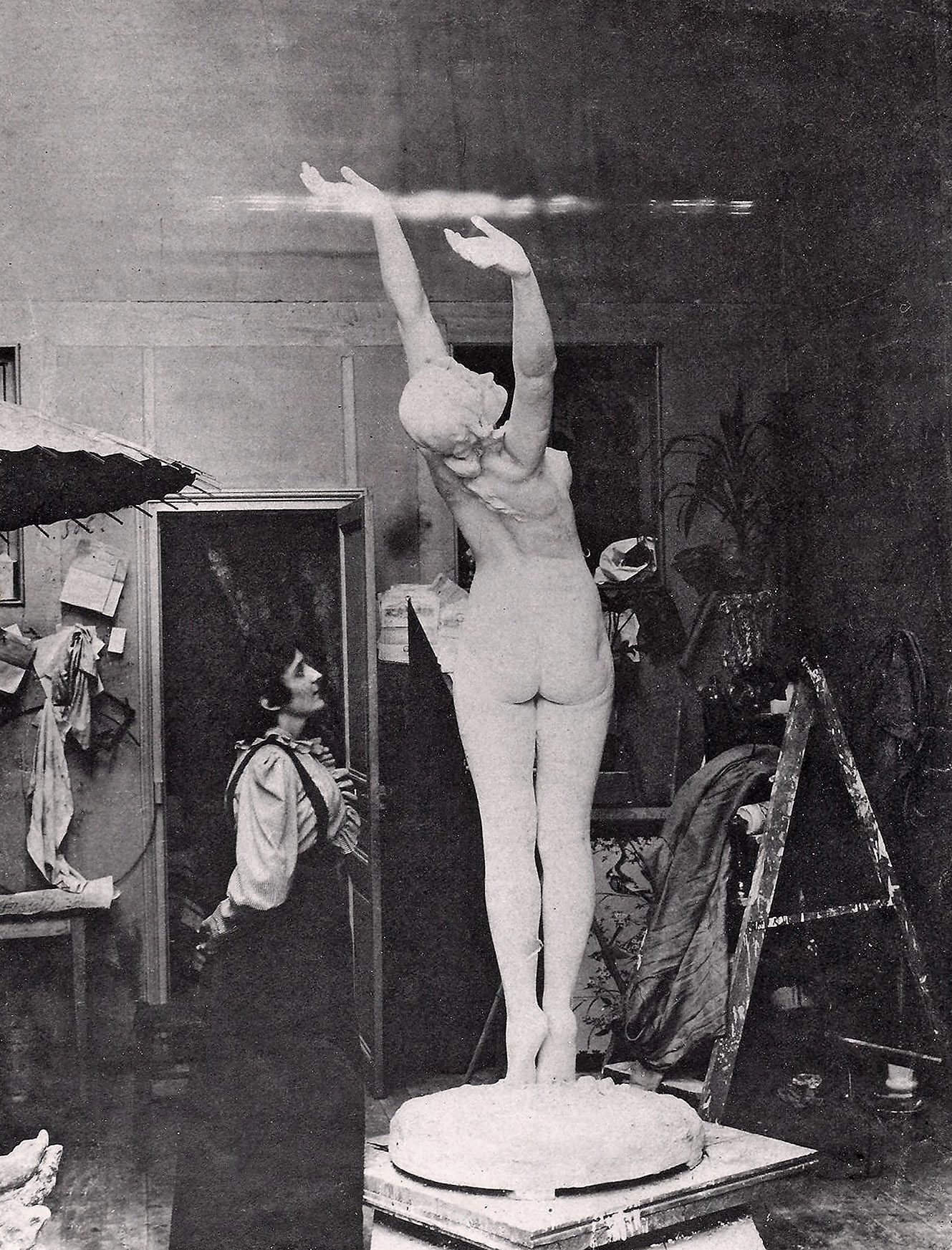
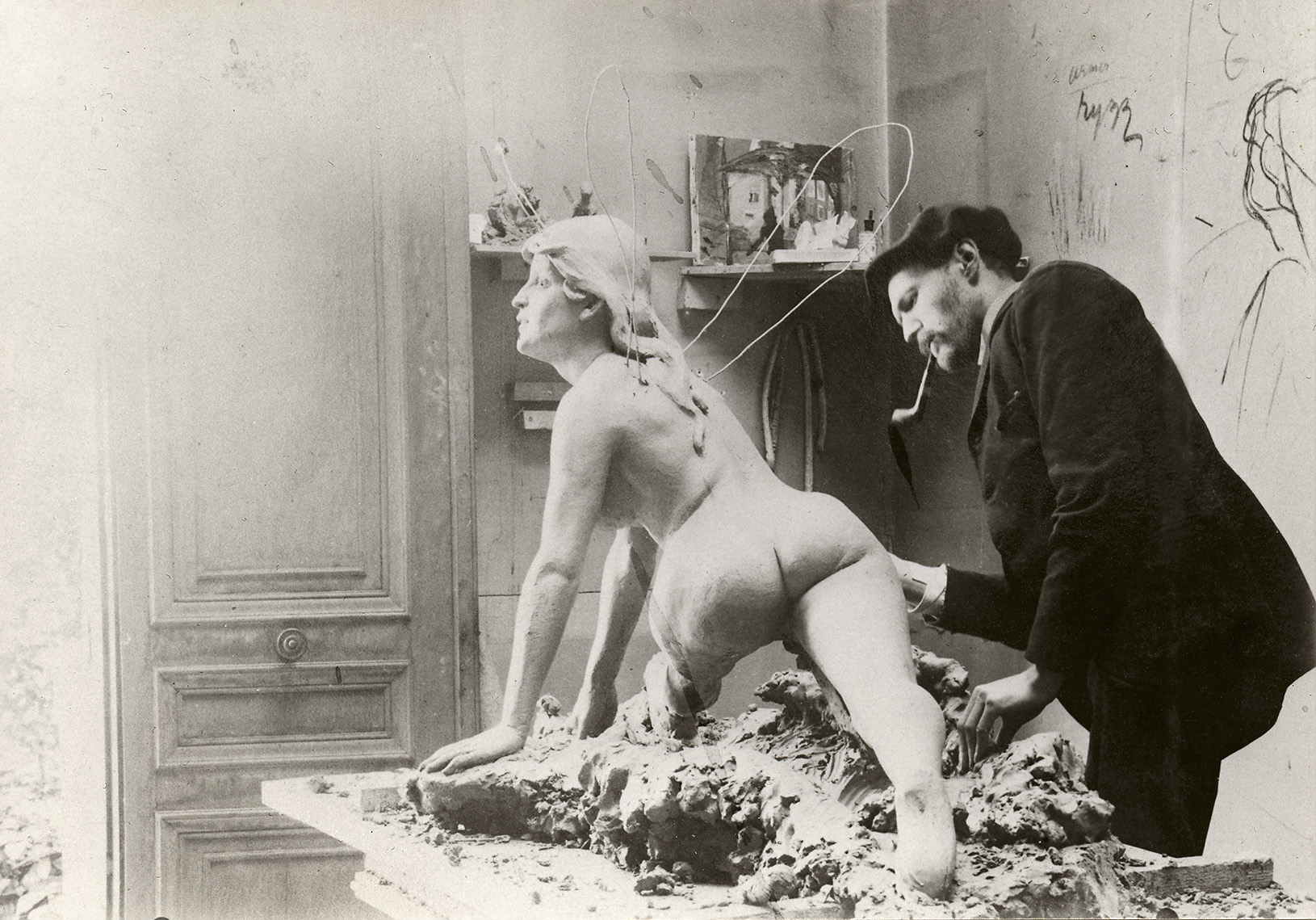
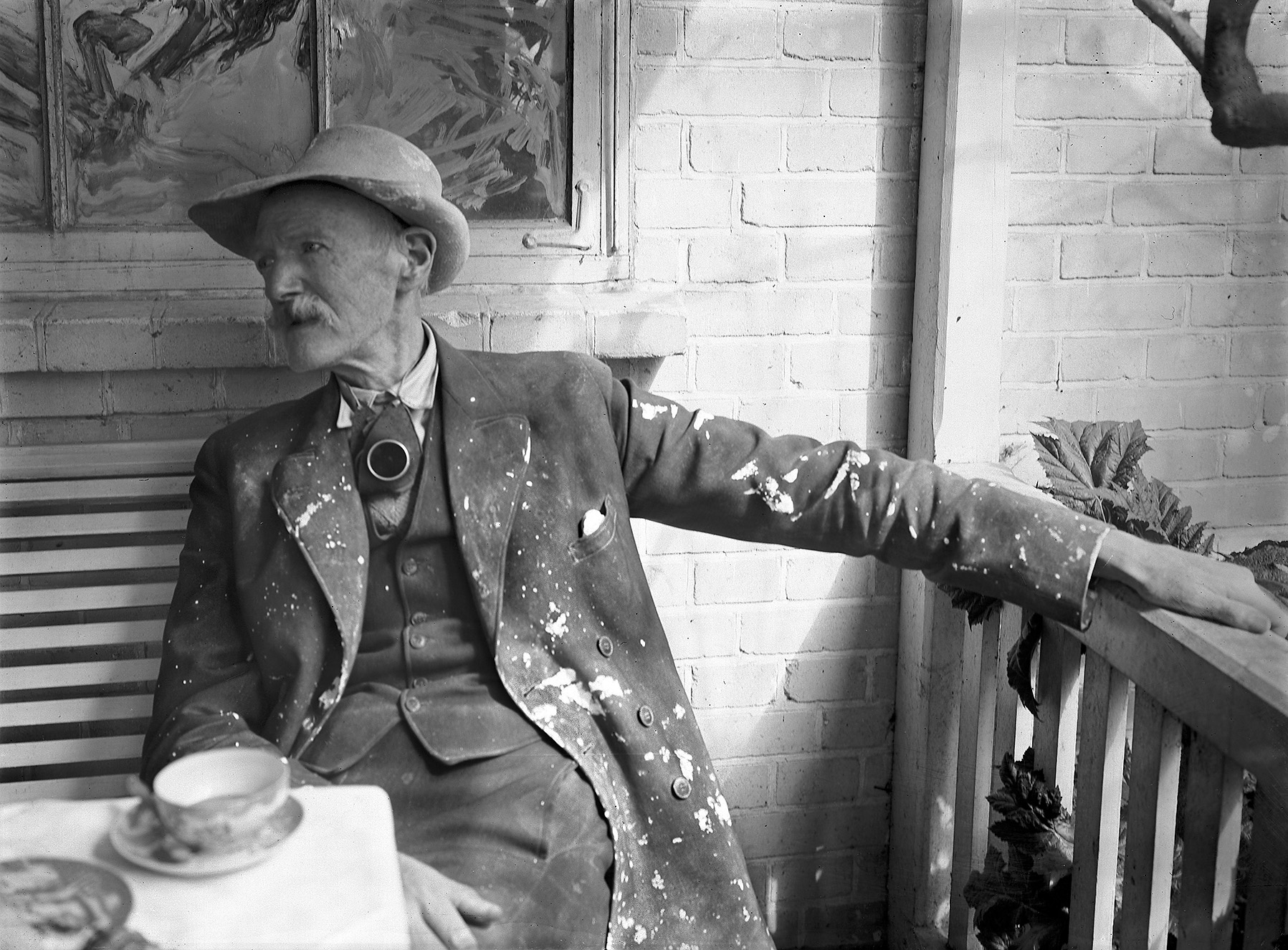
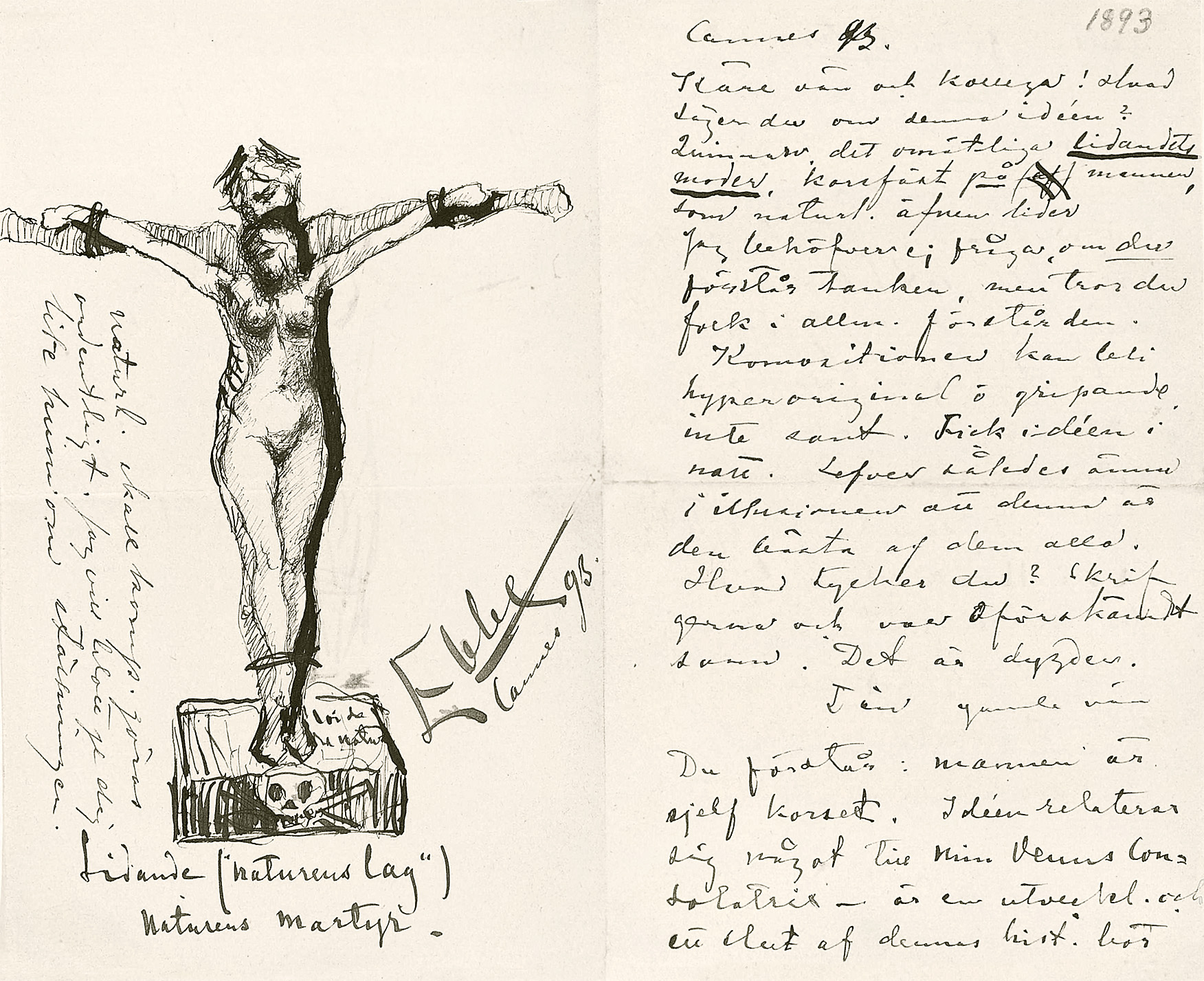
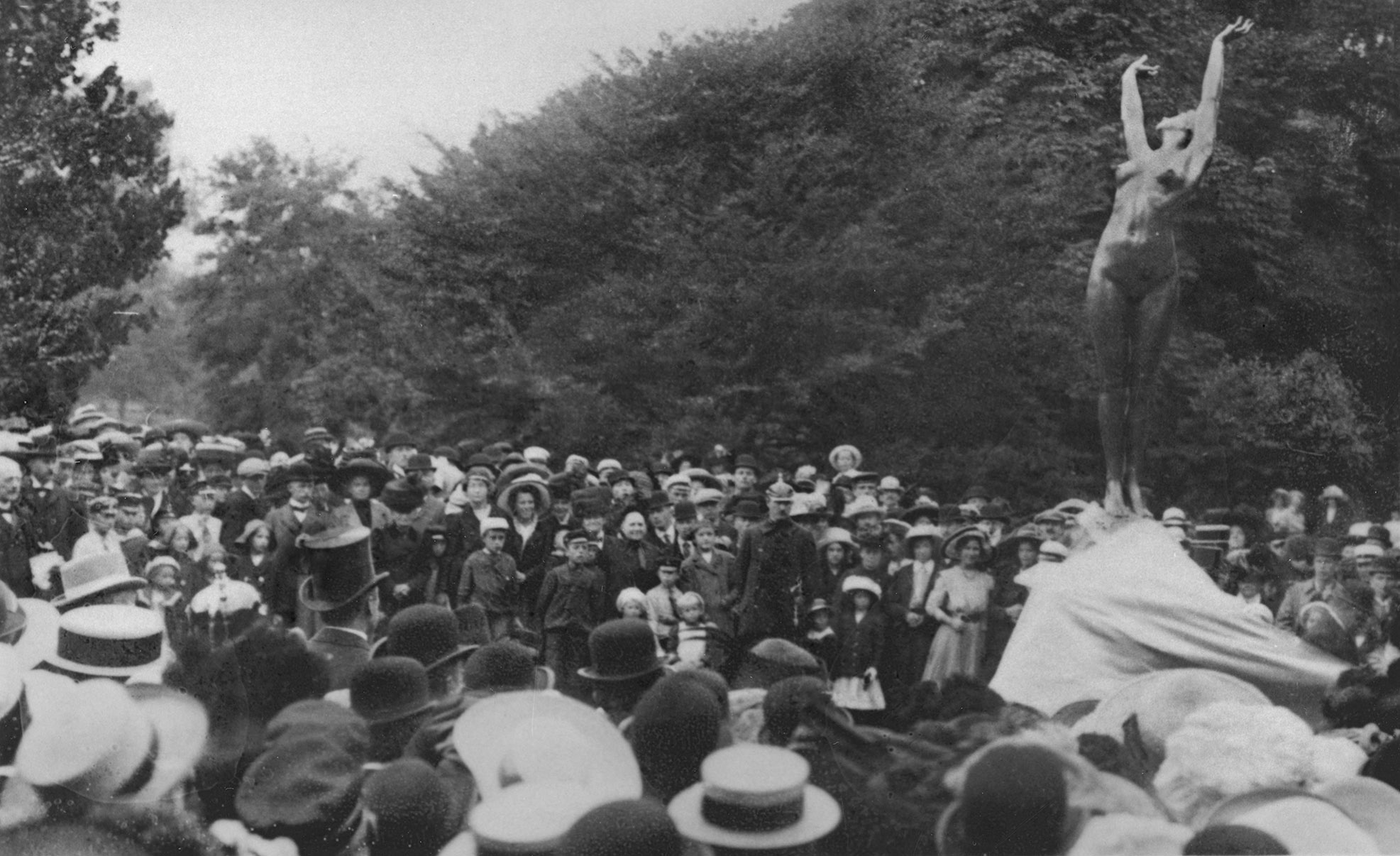
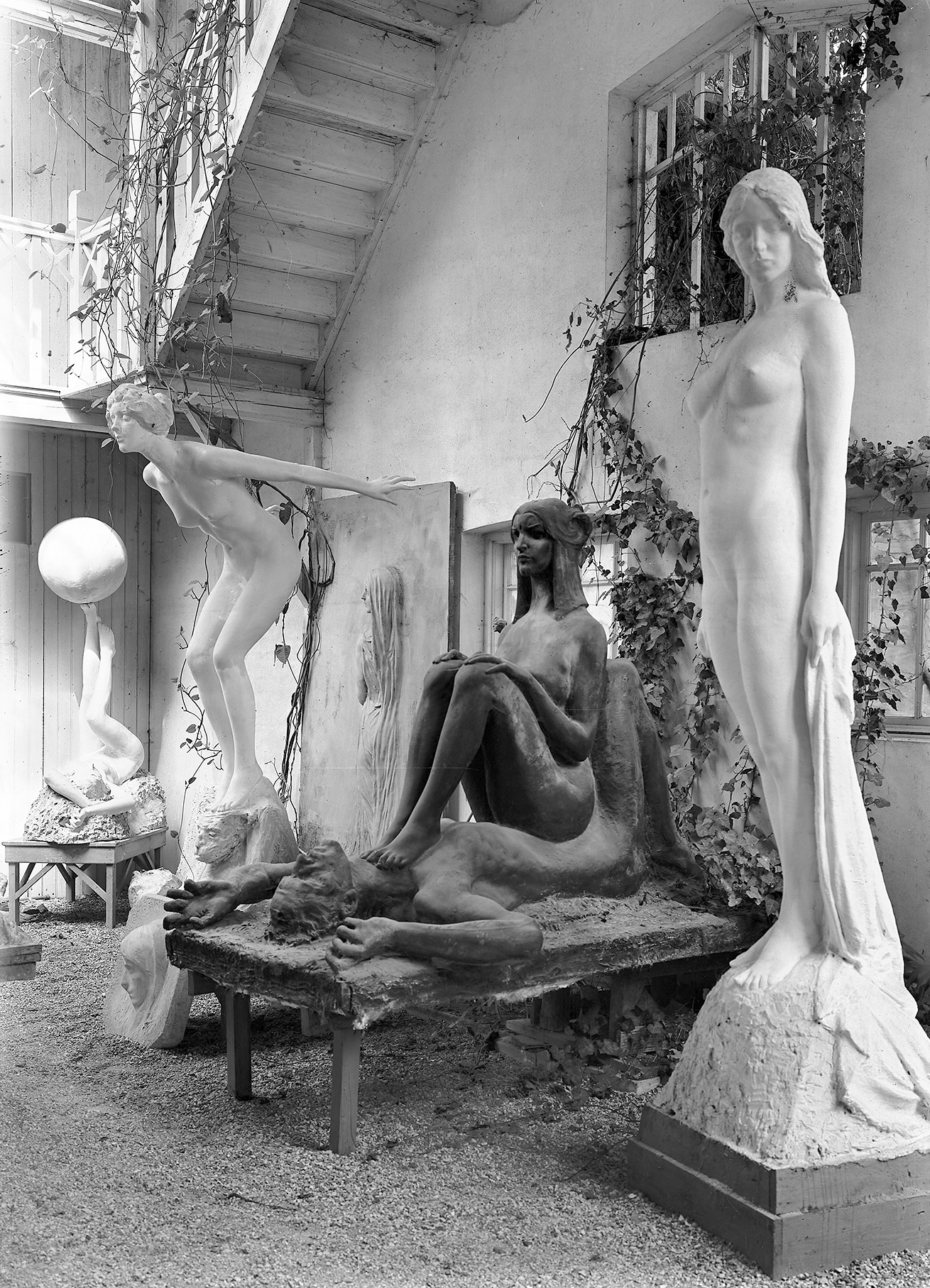
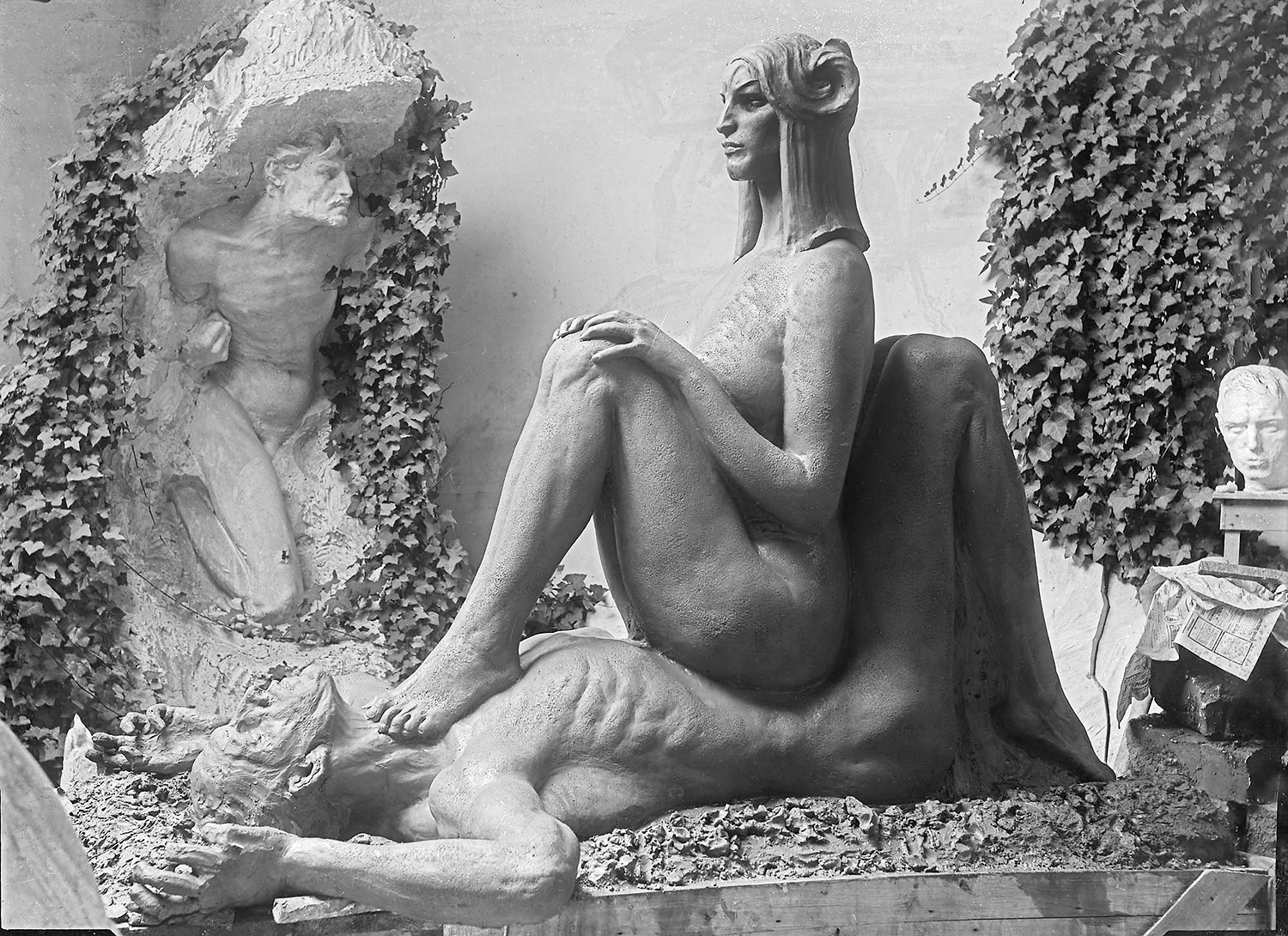
Despite his years on the continent, Axel Ebbe had not been forgotten. Rumors swirled about his whereabouts, and he had become something of a legend in his native Skåne. During this time, he created several significant works – Atlas dotter, Solrosen, and Martyrium Humanum – which gained acclaim and were exhibited internationally.
His first public artwork, Solrosen, was inaugurated in 1912 in Kungsparken, Malmö. The recognition it brought made it possible for him to establish a studio and residence in his beloved Hököpinge.
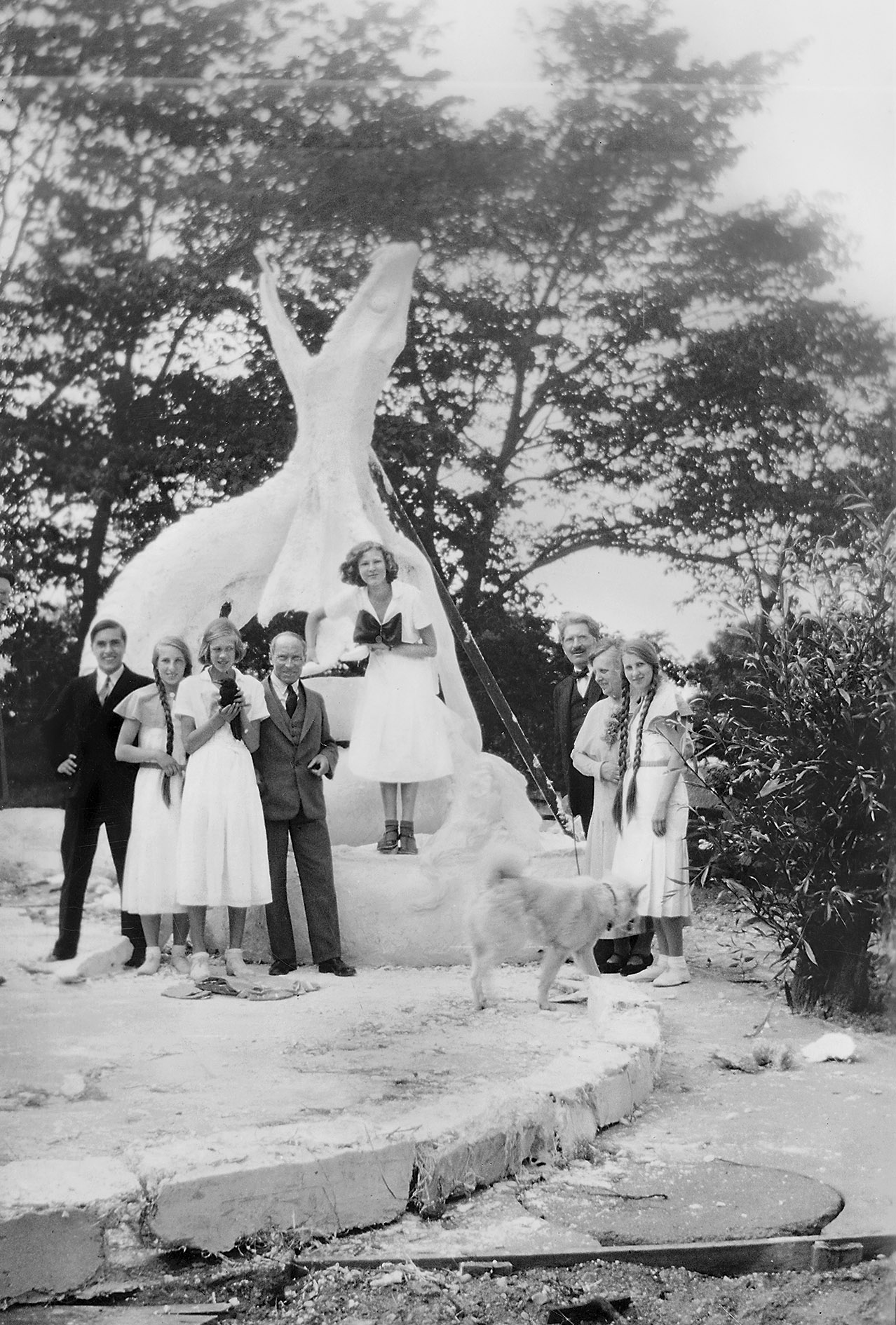
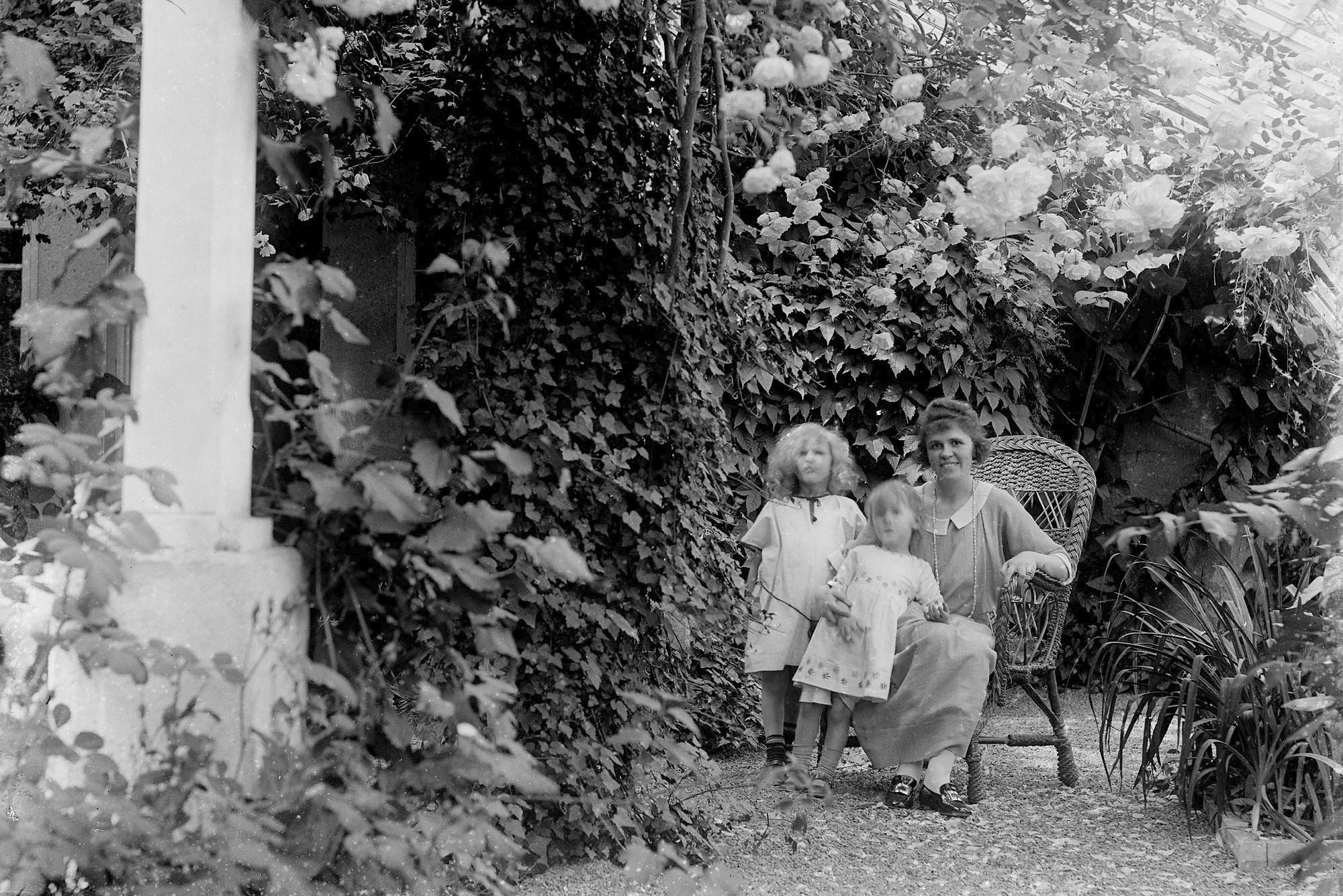
Soon after, Ebbe met his third wife, Elna Andersson, whom he affectionately called Lillemor. Creativity flourished, and commissions – as well as finished works – followed in quick succession. Axel Ebbe became highly successful. The couple had two daughters, and their home became a vibrant hub of artistic activity and family life.
In 1933, Axel and Lillemor donated the entirety of his artistic oeuvre to the City of Trelleborg. Two years later, in 1935, Axel Ebbes Art Hall was built to house the donated collection of monumental plaster sculptures, sketches, prints, and paintings.
In 1937, Ebbe embarked on what would be his final creative project – a personal interpretation of the Bible written in the dialect of Hököpinge. Sadly, he was unable to complete it before his death in 1941.