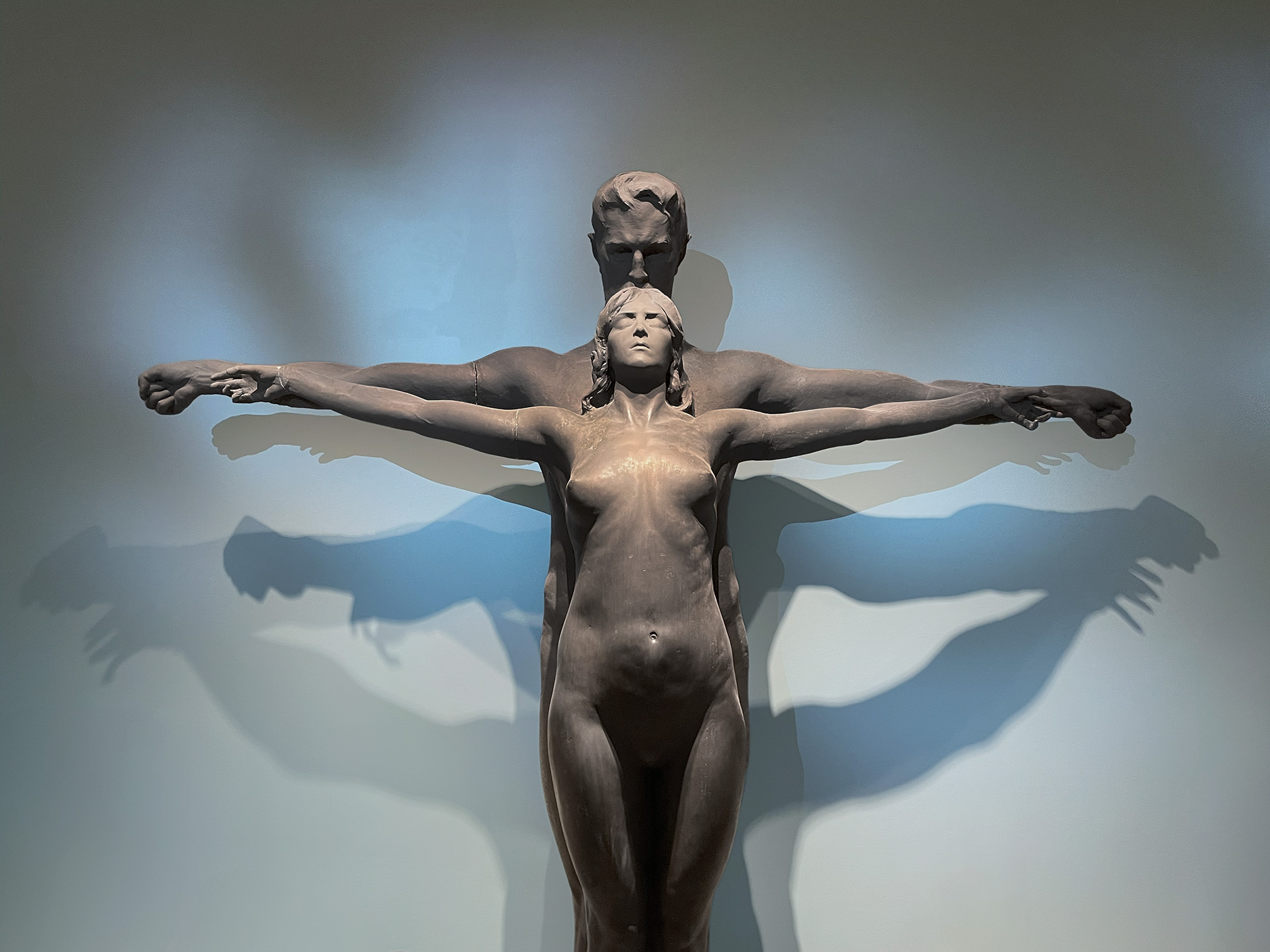
The Art Hall
”Lillemor and I wished to show our appreciation for the city of Trelleborg, which already holds several of my works, by donating our remaining sculptures – those that exist today and those yet to come – to this city, should it do us the honor and pleasure of receiving and housing them.
One wish of ours would be that, if possible, the building could in some way reflect the environment in which the artworks were created – among flowers and greenery – offering a brighter and more joyful atmosphere than the usual museum-like tombs.”
”Lillemor and I wished to show our appreciation for the city of Trelleborg, which already holds several of my works, by donating our remaining sculptures – those that exist today and those yet to come – to this city, should it do us the honor and pleasure of receiving and housing them.
One wish of ours would be that, if possible, the building could in some way reflect the environment in which the artworks were created – among flowers and greenery – offering a brighter and more joyful atmosphere than the usual museum-like tombs.”
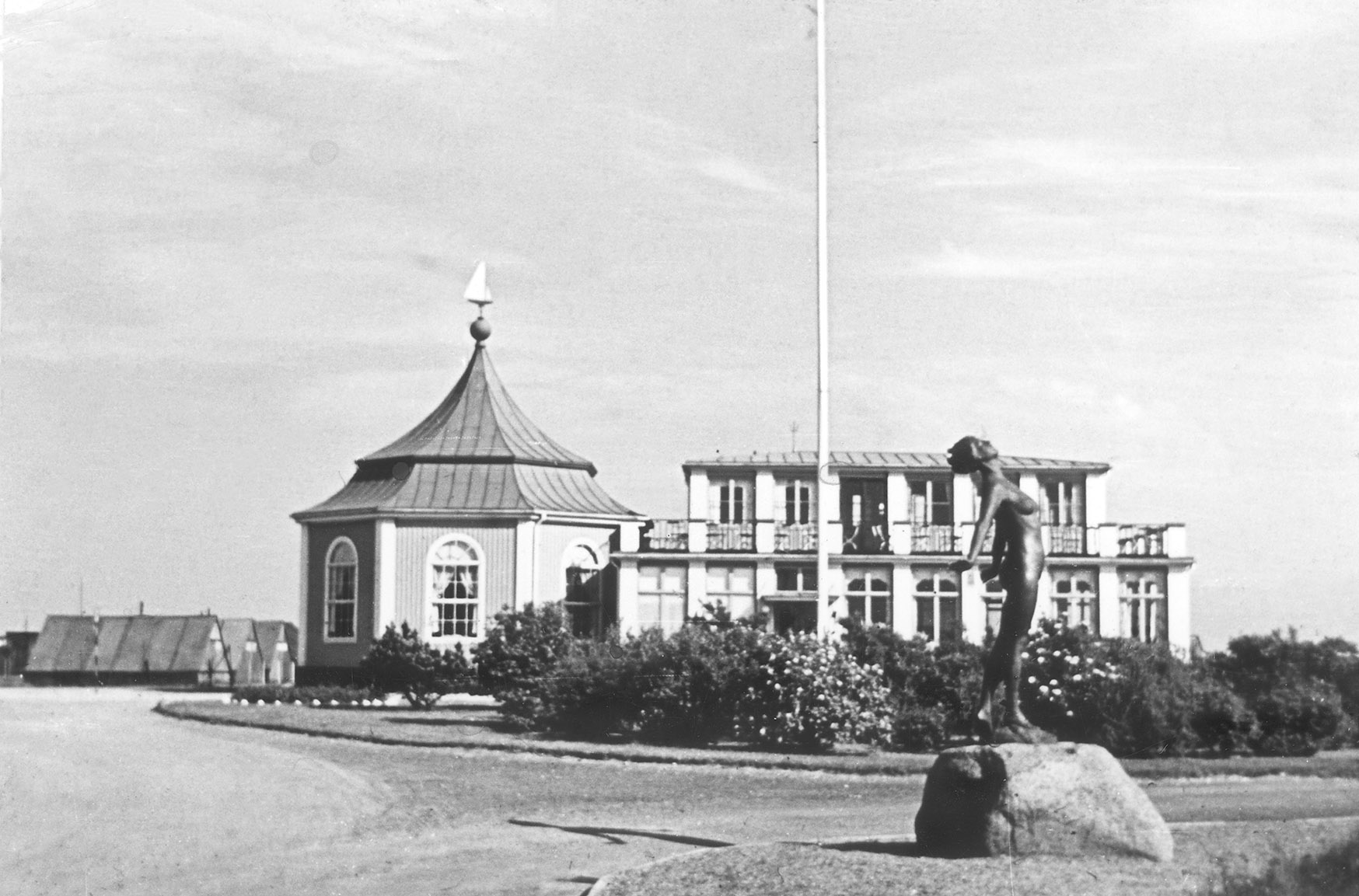
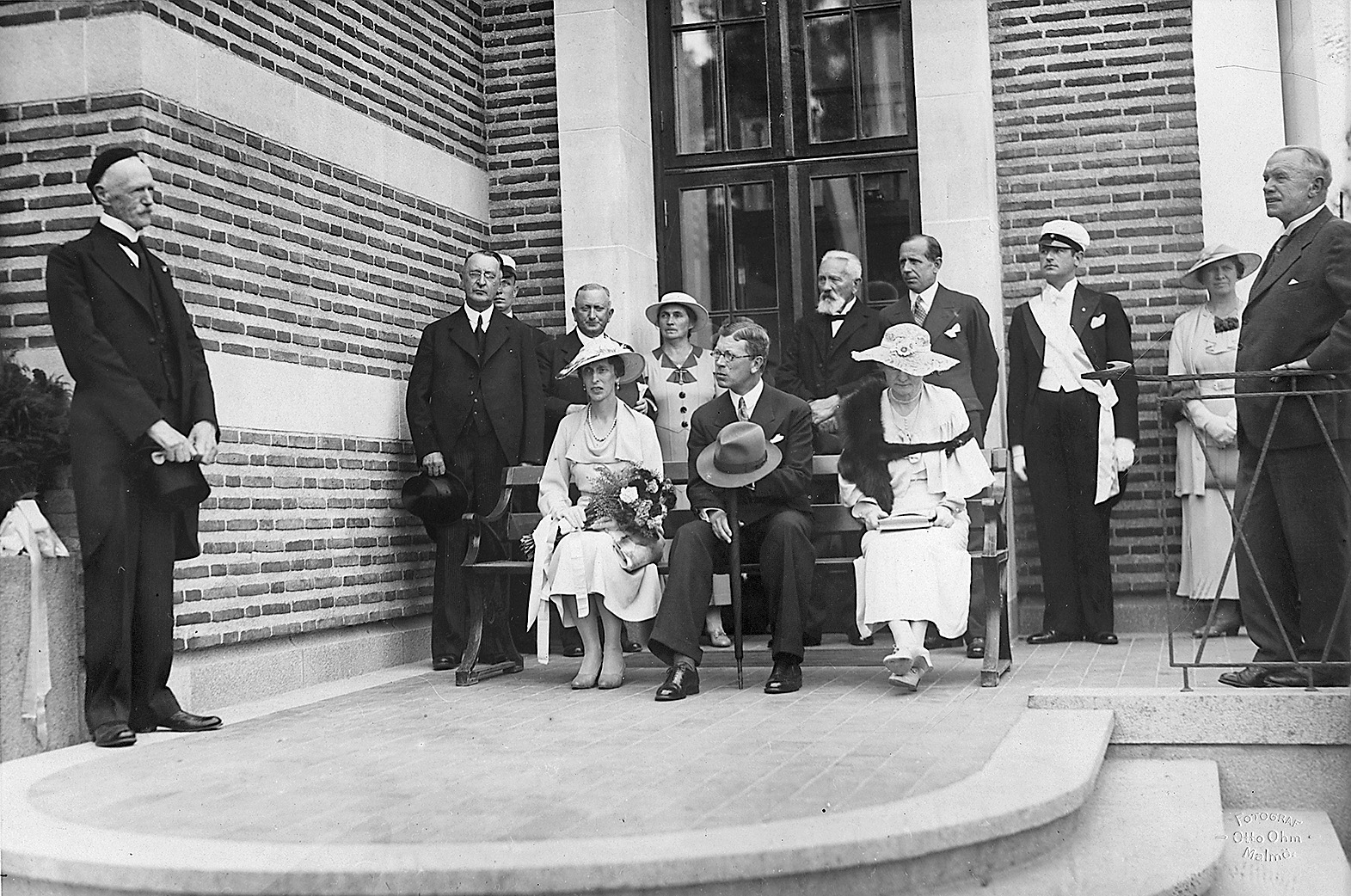
These words were written in a 1933 deed of gift from the Söderslätt artist Axel Ebbe and his wife Lillemor, marking the beginning of what would become Axel Ebbes Art Hall. The couple donated the entirety of his works to the City of Trelleborg. The city council gratefully accepted the generous gift – at the time, Axel Ebbe (1868–1941) was considered one of Sweden’s most prominent contemporary sculptors. That it was Trelleborg who received the legacy of his life’s work stemmed from his deep love for Söderslätt and his gratitude for the many commissions he had received from the city.
The donation was generous. To receive his complete body of work made it possible to create a unique retrospective exhibition and gain a full perspective on his artistic development. The collection remains to this day a singular contribution to Swedish art history.
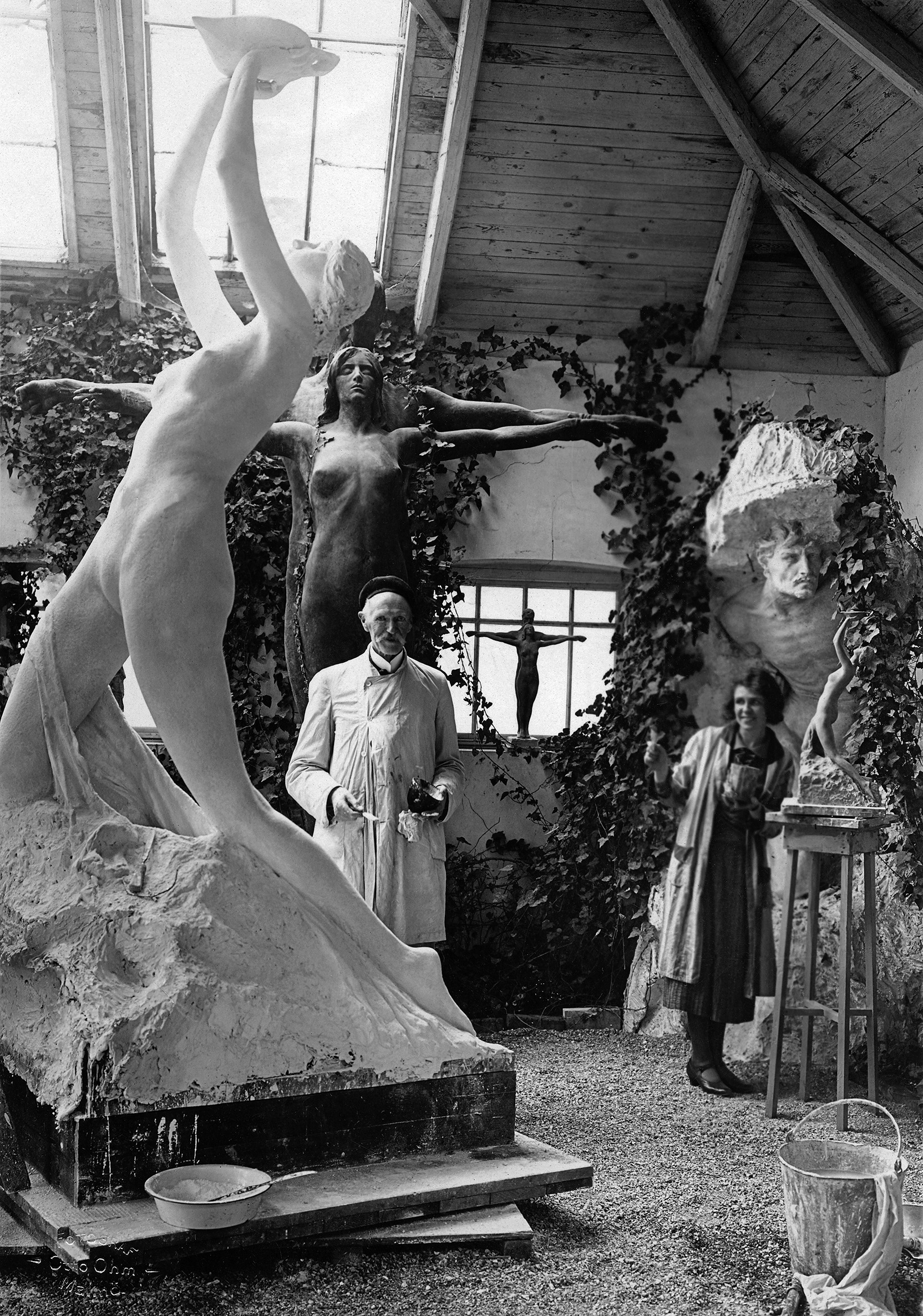
The architect who brought the art hall to life was a young Malmö-based architect, Carl-Axel Stoltz (1904–1975), who would later become the city architect of Malmö. Axel Ebbe, who had a strong interest in architecture, was personally involved in the building’s design. He envisioned a setting reminiscent of his own home and studio, Villa Klythia in Hököpinge, which he had designed and built in 1912.
Interior
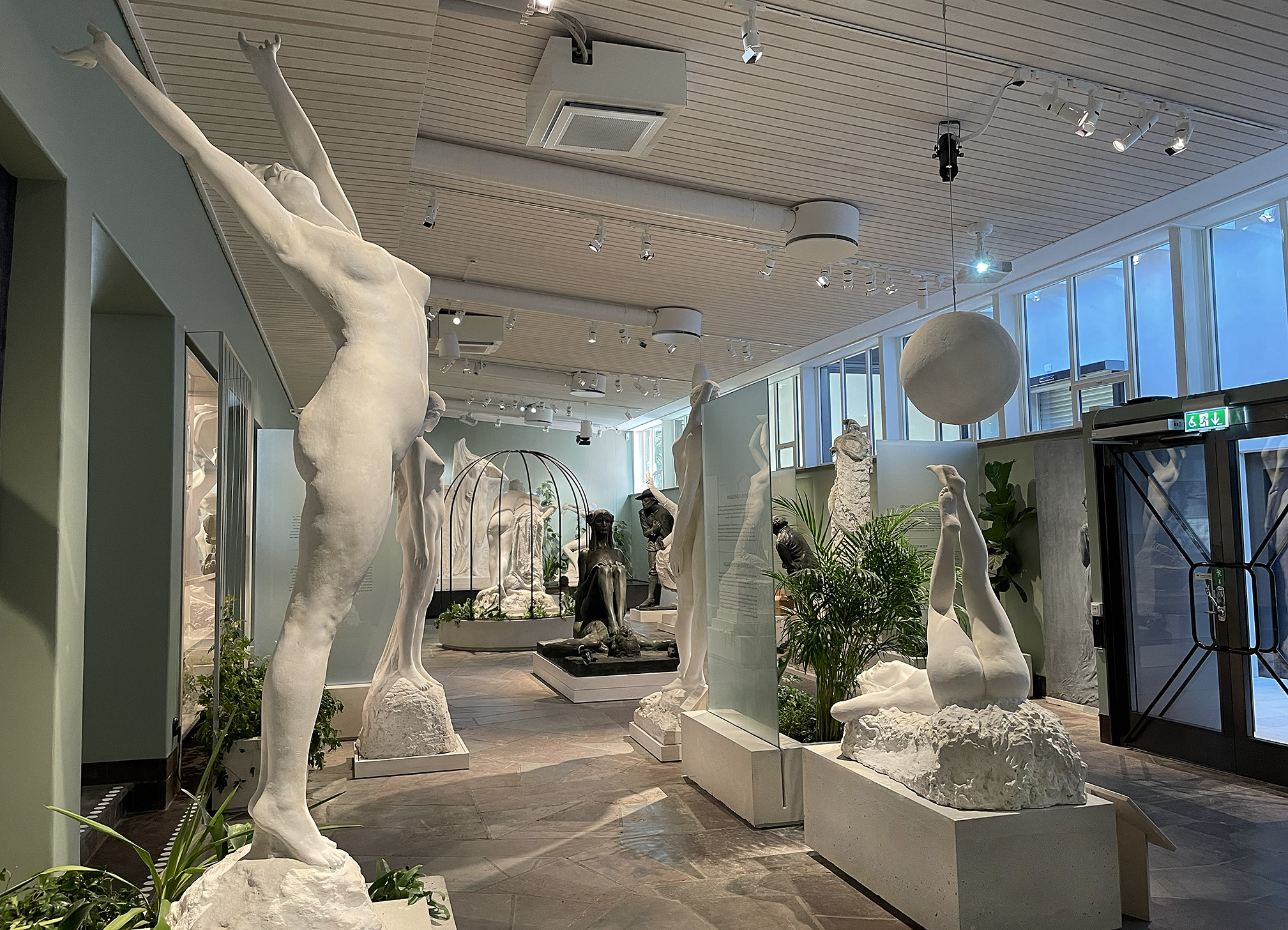
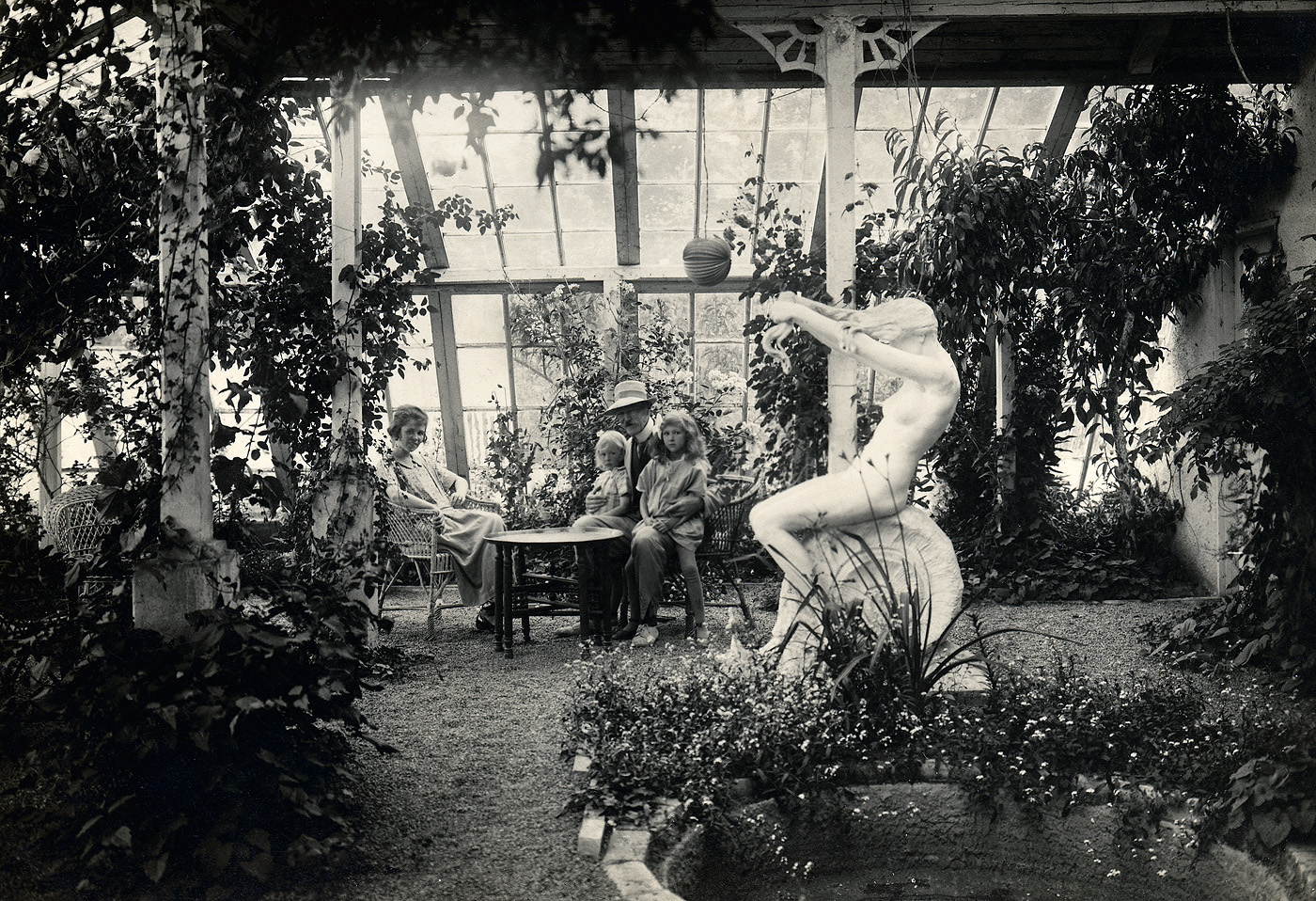
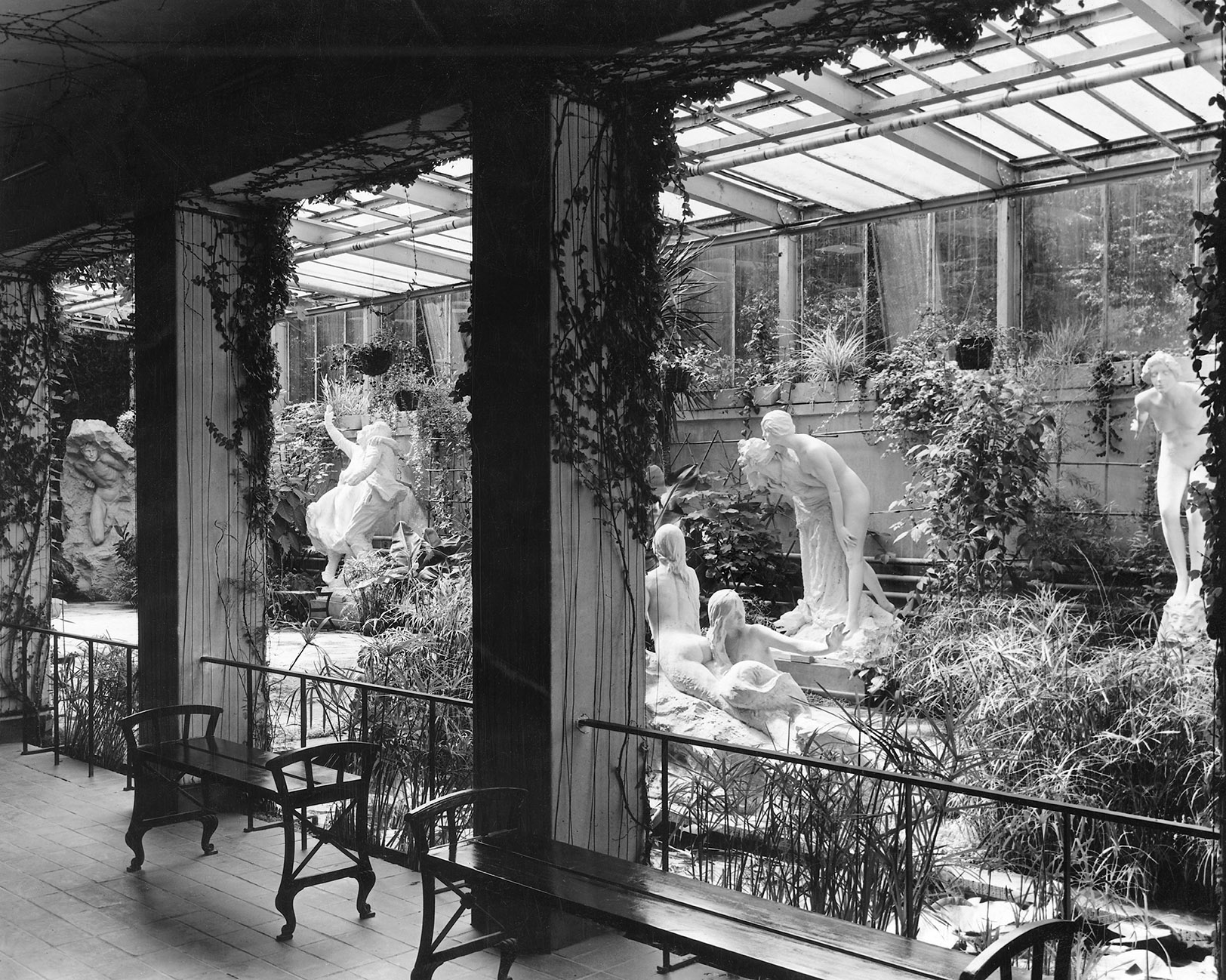
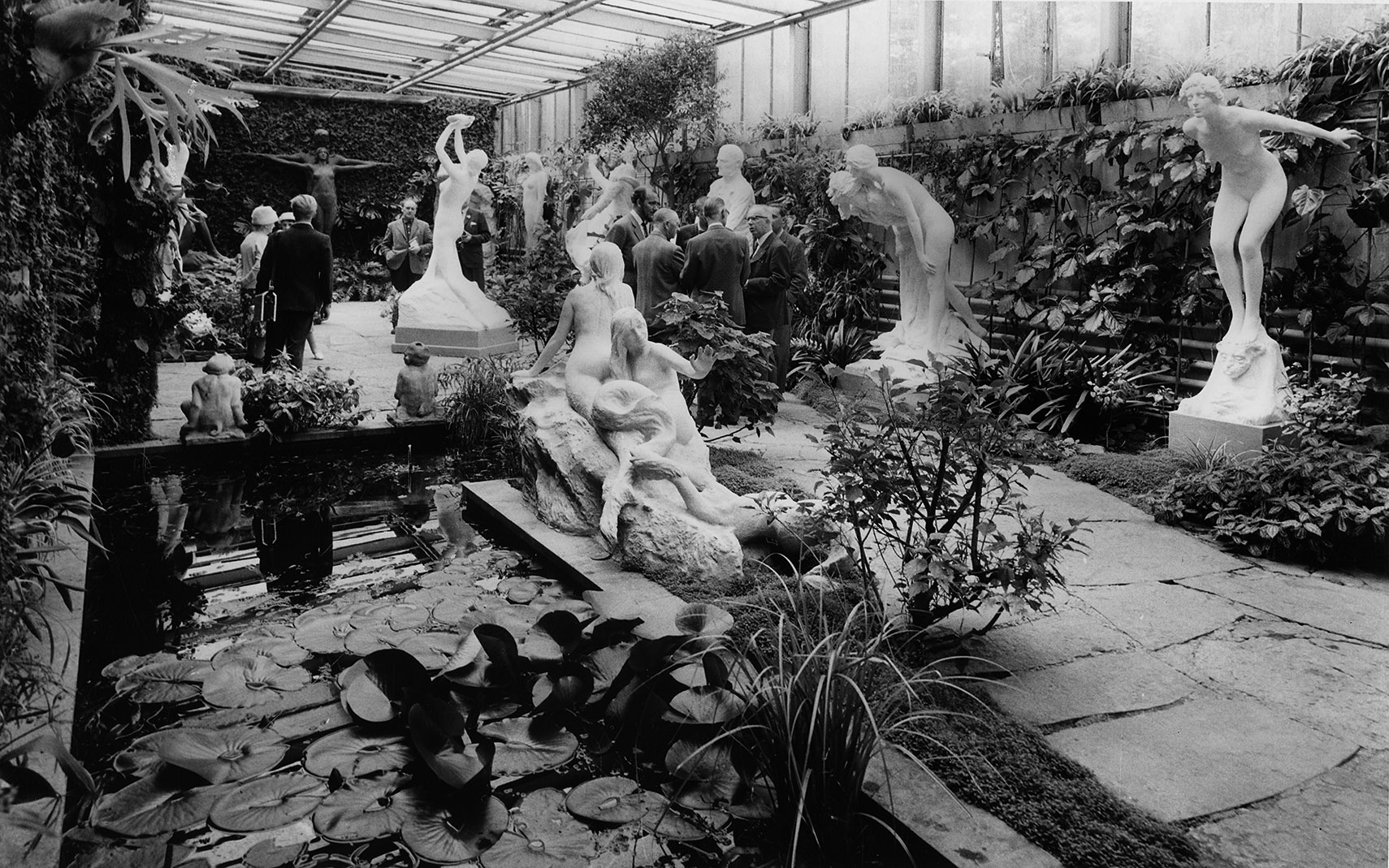
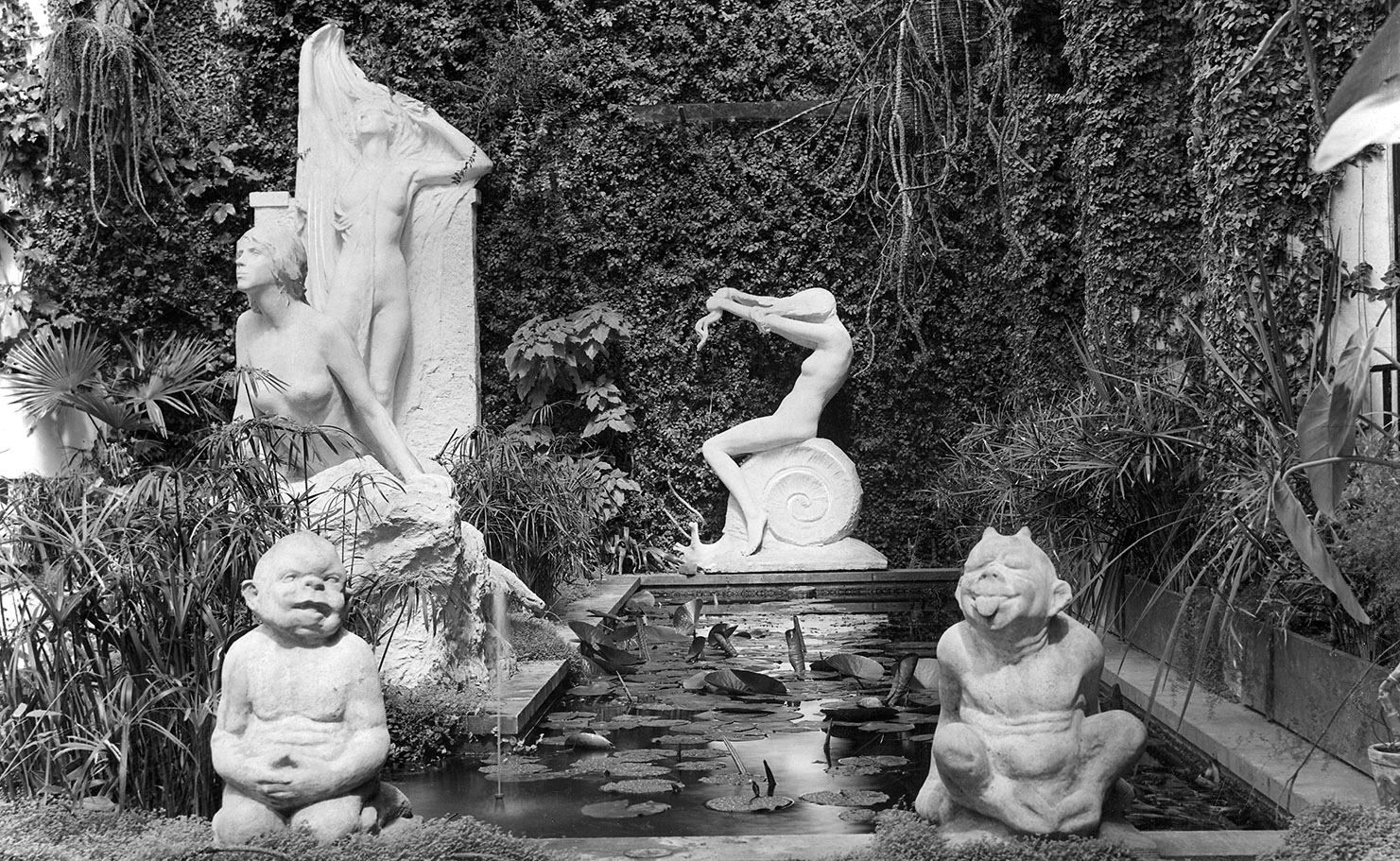
When stepping into Axel Ebbes Art Hall in the summer of 1935, one entered a lush oasis. The space resembled more a winter garden or orangery than a traditional art hall!
Axel Ebbe worked best when surrounded by nature, and he wished for his white, delicate plaster sculptures to be framed by greenery. This wish was honored, and he, together with his wife Lillemor, was given the opportunity to design the exhibition layout and contribute to many of the decisions regarding the hall’s interior and overall design.
The building comprised two floors. The ground floor featured a large hall filled with Axel Ebbe’s plaster sculptures. On the upper floor were two smaller exhibition rooms displaying wall-mounted artworks and small-scale sculptures.
These words were written in a 1933 deed of gift from the Söderslätt artist Axel Ebbe and his wife Lillemor, marking the beginning of what would become Axel Ebbes Art Hall. The couple donated the entirety of his works to the City of Trelleborg. The city council gratefully accepted the generous gift – at the time, Axel Ebbe (1868–1941) was considered one of Sweden’s most prominent contemporary sculptors. That it was Trelleborg who received the legacy of his life’s work stemmed from his deep love for Söderslätt and his gratitude for the many commissions he had received from the city.
The donation was generous. To receive his complete body of work made it possible to create a unique retrospective exhibition and gain a full perspective on his artistic development. The collection remains to this day a singular contribution to Swedish art history.
The architect who brought the art hall to life was a young Malmö-based architect, Carl-Axel Stoltz (1904–1975), who would later become the city architect of Malmö. Axel Ebbe, who had a strong interest in architecture, was personally involved in the building’s design. He envisioned a setting reminiscent of his own home and studio, Villa Klythia in Hököpinge, which he had designed and built in 1912.
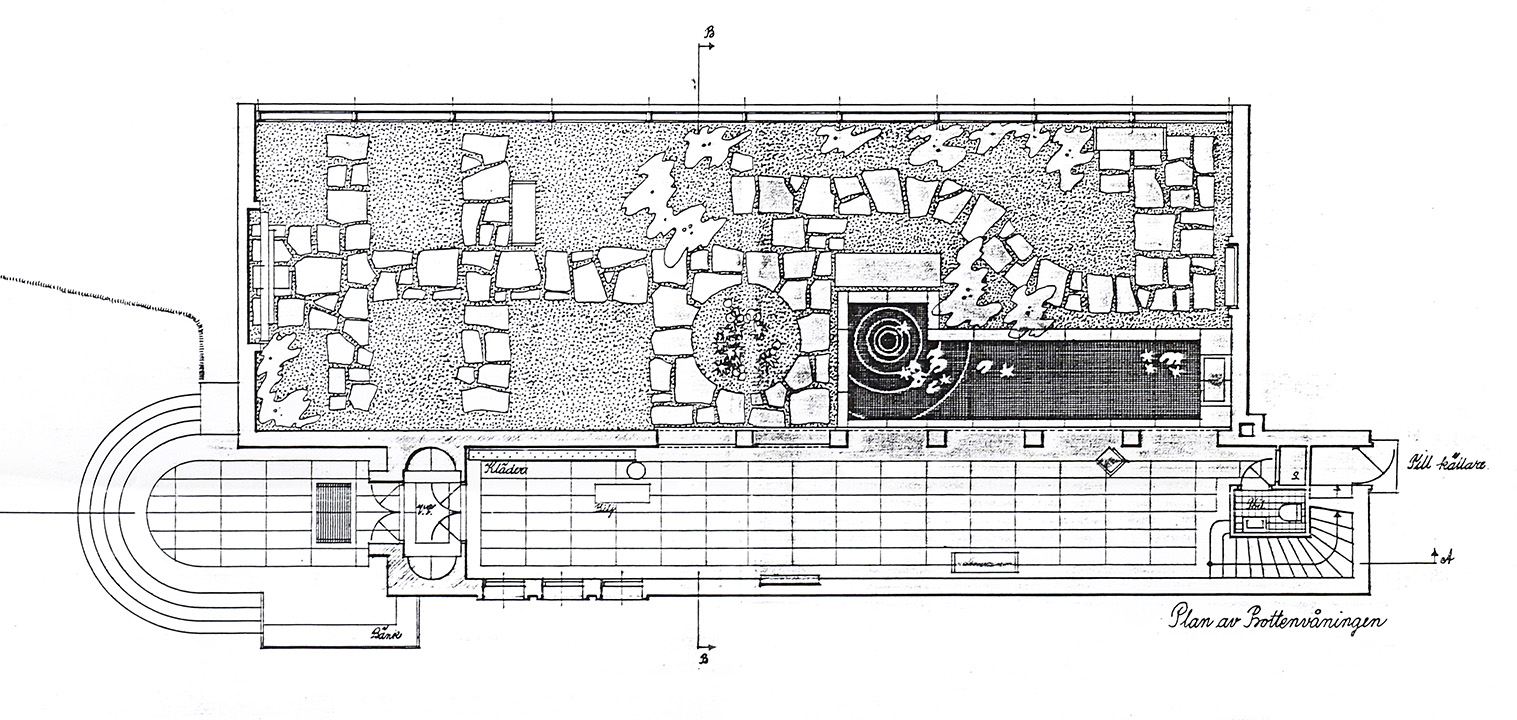
Interior
When stepping into Axel Ebbes Art Hall in the summer of 1935, one entered a lush oasis. The space resembled more a winter garden or orangery than a traditional art hall!
Axel Ebbe worked best when surrounded by nature, and he wished for his white, delicate plaster sculptures to be framed by greenery. This wish was honored, and he, together with his wife Lillemor, was given the opportunity to design the exhibition layout and contribute to many of the decisions regarding the hall’s interior and overall design.
The building comprised two floors. The ground floor featured a large hall filled with Axel Ebbe’s plaster sculptures. On the upper floor were two smaller exhibition rooms displaying wall-mounted artworks and small-scale sculptures.
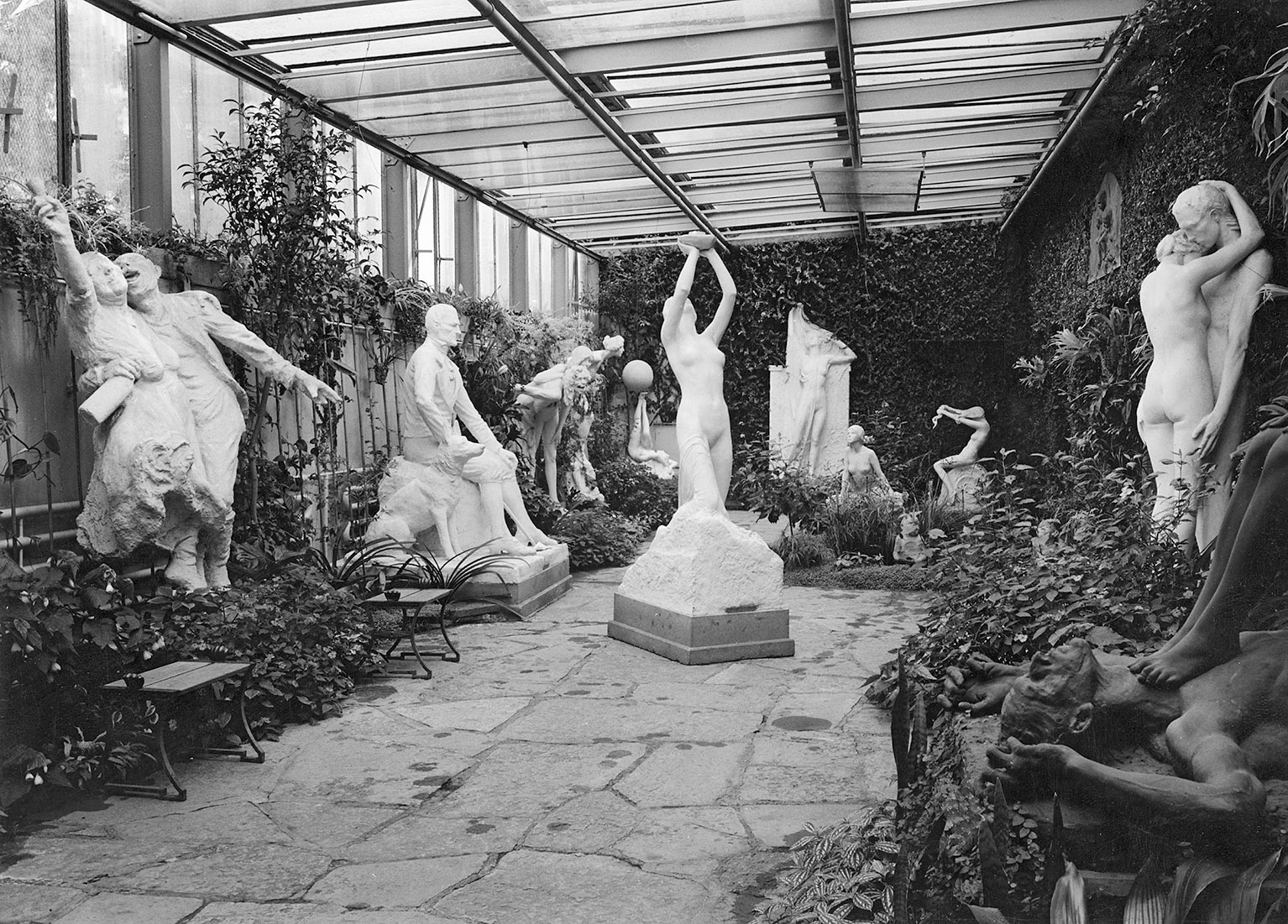
The lush greenery of the lower exhibition floor created a peaceful setting for the sculptures. Trees, shrubs, and climbing plants wound their way up the walls. There was even a pond with multicolored water lilies and goldfish.
To further enhance the orangery-like atmosphere, large amounts of glass were incorporated. A band of windows ran along the top of the walls, and a glass ceiling was installed. Unfortunately, the glass roof proved difficult to keep watertight. The floor lacked insulation and was made of Öland limestone laid directly on soil. This led to high and fluctuating humidity levels—conditions that proved disastrous for the delicate plaster sculptures. Over time, changes were made to mitigate the moisture issues. The greenery was gradually reduced, and eventually the pond was removed.
Axel Ebbes Art Hall Today
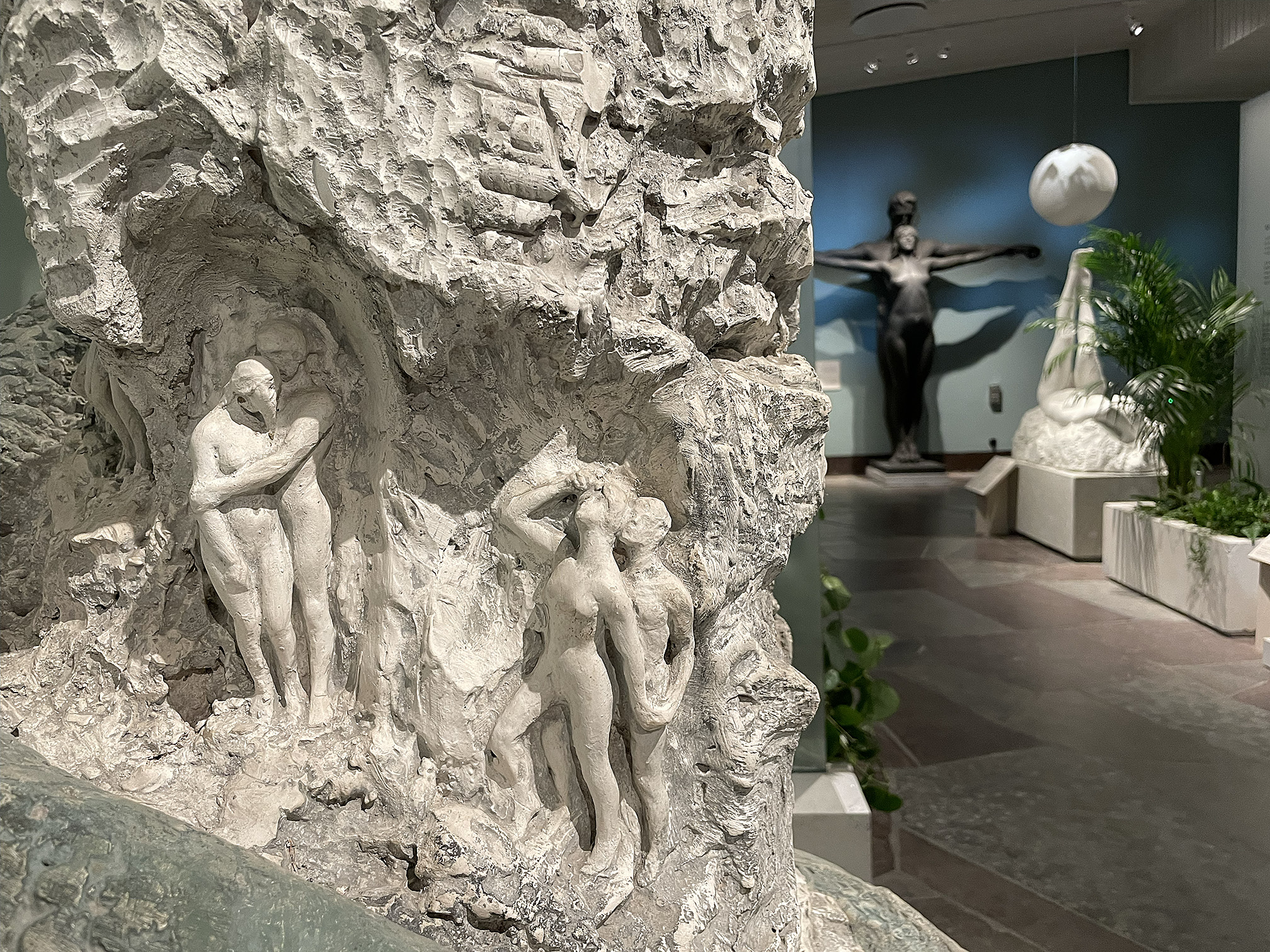
After extensive renovation and expansion, the art gallery has once again opened its doors. The original building has been carefully restored, while an entirely new section has been added. The new extension was designed by Liljewall Architects. The gallery now offers space for temporary art exhibitions, a reception area with a shop and café, as well as a studio for creative activities. In the new permanent exhibition about Axel Ebbe, visitors can encounter the artist behind the works through drawings, sculptures, and letters, presented in an environment inspired by the gallery’s original design from 1935.